Building a strong organisational culture
Discover how visuals can provide your organisation with a firm cultural foundation.
Gen Z — those born from 2000 onwards — is the largest generation in human history. Over the next decade, around 1.3 billion of them will enter the global workforce. That’s a tidal wave of new talent, new perspectives and new ways of working.
Yet there’s a growing gap between how this generation works best and how most organisations still communicate.
According to Canva’s recent State of Visual Communication Report (with Harris Poll and Neuro-Insight), 90% of Gen Z professionals say they do their best work visually. As digital natives, they’re fluent in visual storytelling — raised on screens, visuals are simply how they think, learn and connect.
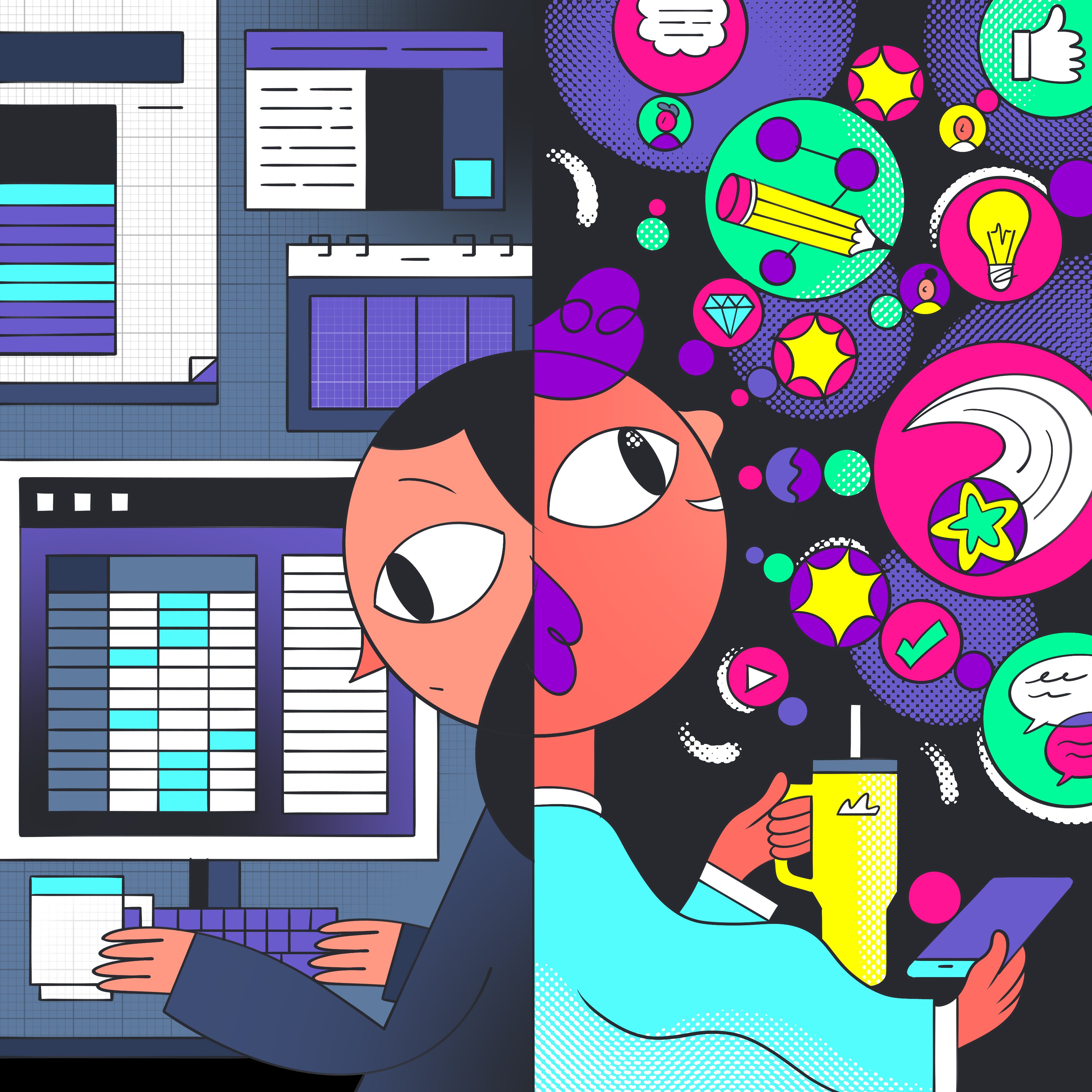
And still, many organisations remain stuck in traditional, text-heavy systems: reports, spreadsheets and slide decks that leave little room for creativity or connection.
We’re seeing a clear mismatch between how the human brain is wired to absorb information and how most workplaces still communicate.
Emma Robinson, Customer Marketing Lead, Canva
As Emma Robinson puts it, the most effective companies don’t just build their brands visually — they operate visually. They understand that visual communication is no longer optional; it’s essential.
It’s what connects teams across borders and generations. It’s what fuels collaboration and innovation. Or, as the report itself states: “Visual communication is the new connective tissue of high-performing, forward-thinking teams — bridging geographic and generational gaps so people can work with clarity and intention.”
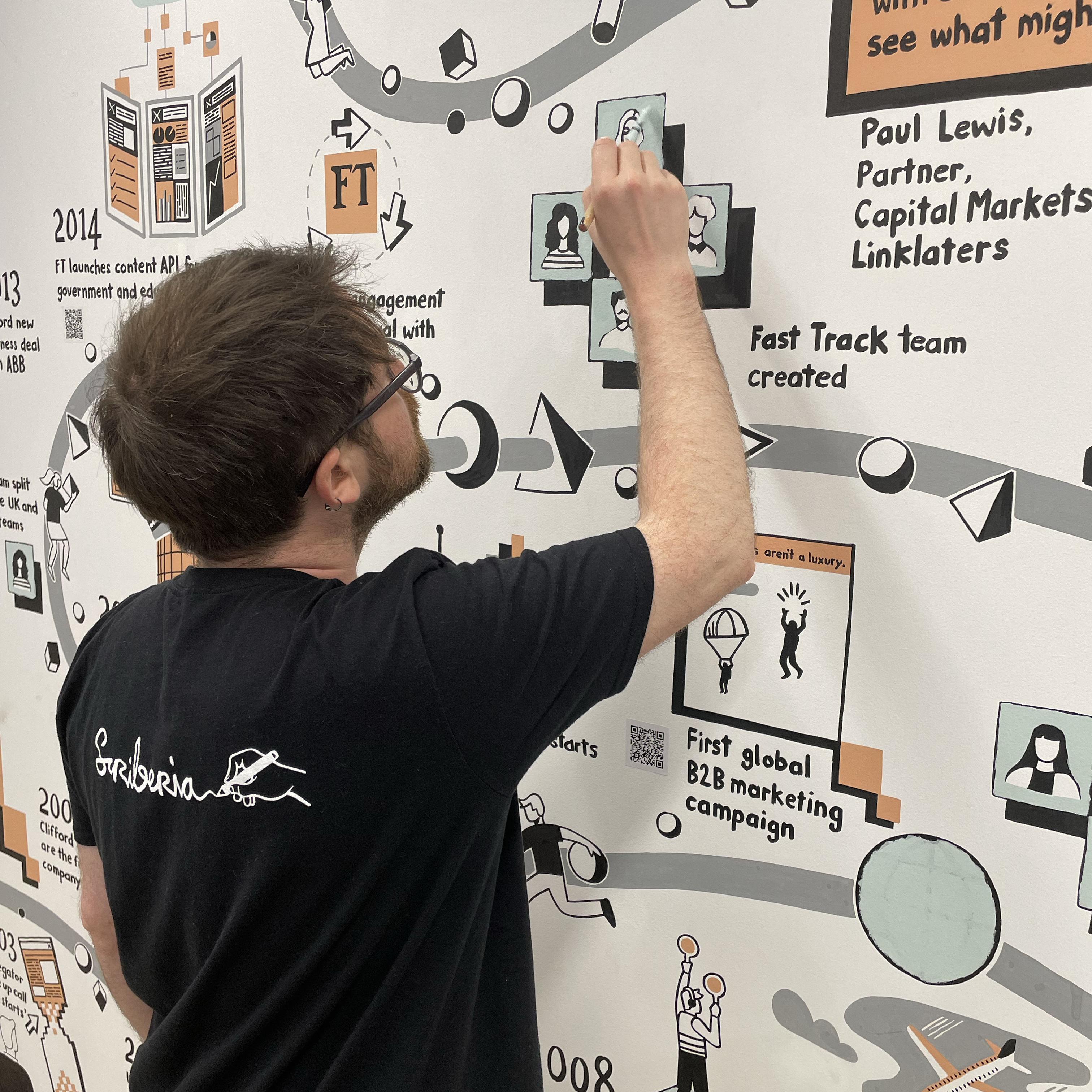
At Scriberia, this resonates deeply. We’ve been championing visual storytelling in organisations for years — helping teams map ideas, spark collaboration and communicate with clarity. Seeing a generation raised in a naturally visual world fully embrace this approach feels like a long-overdue alignment between how people think and how work actually gets done.
This isn’t just about preference — it’s about how the brain works. The research shows that visual content is remembered 74% faster, generates 26% stronger emotional responses and creates over 20% more emotional impact than text-heavy communication.
In other words: the more visual your message, the faster — and more deeply — it lands.
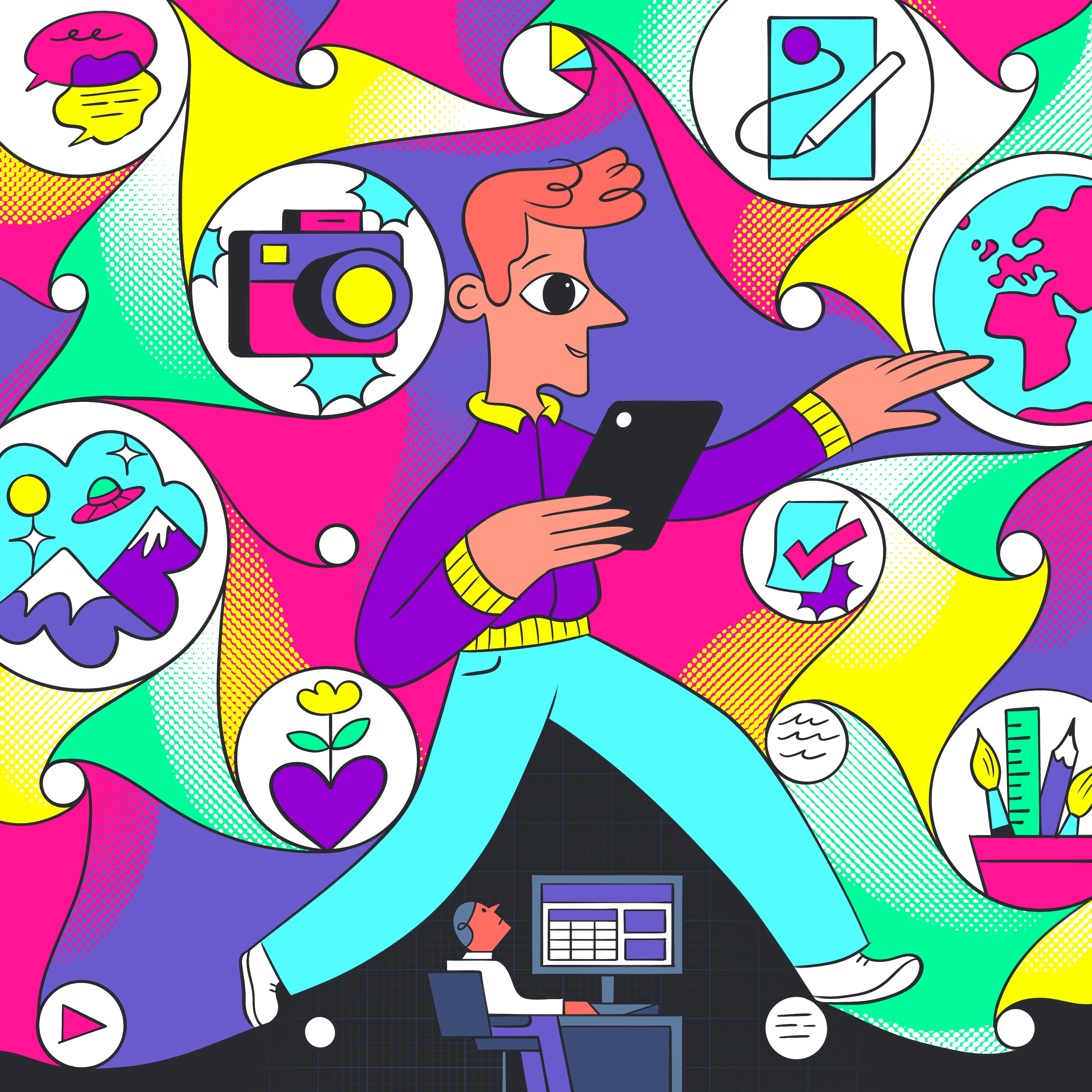
If you want to get the best out of the most visual generation in history, here’s where to start:
1. Meet them where they are
Long reports and endless slide decks won’t cut it. Visuals strip away noise and focus attention on what matters most: clarity, collaboration and shared understanding.
2. Make it tangible
Big strategies and abstract visions are hard to grasp. Visual tools — from vision maps to infographics and illustrations — give teams a clear view of the landscape, making it easier to align and act.
3. Speak a common language
Visuals aren’t just for Gen Z. Older generations know clarity when they see it. Shared images create shared understanding — building bridges across generations, disciplines and hierarchies.
As the report concludes: “Even as technology and AI evolve in ways we’re only beginning to grasp, one truth holds: creativity is the ultimate business advantage. And the teams who can shape emotion, memory and meaning — visually and at scale — will lead the next era of work.”