Turning instinct into insight
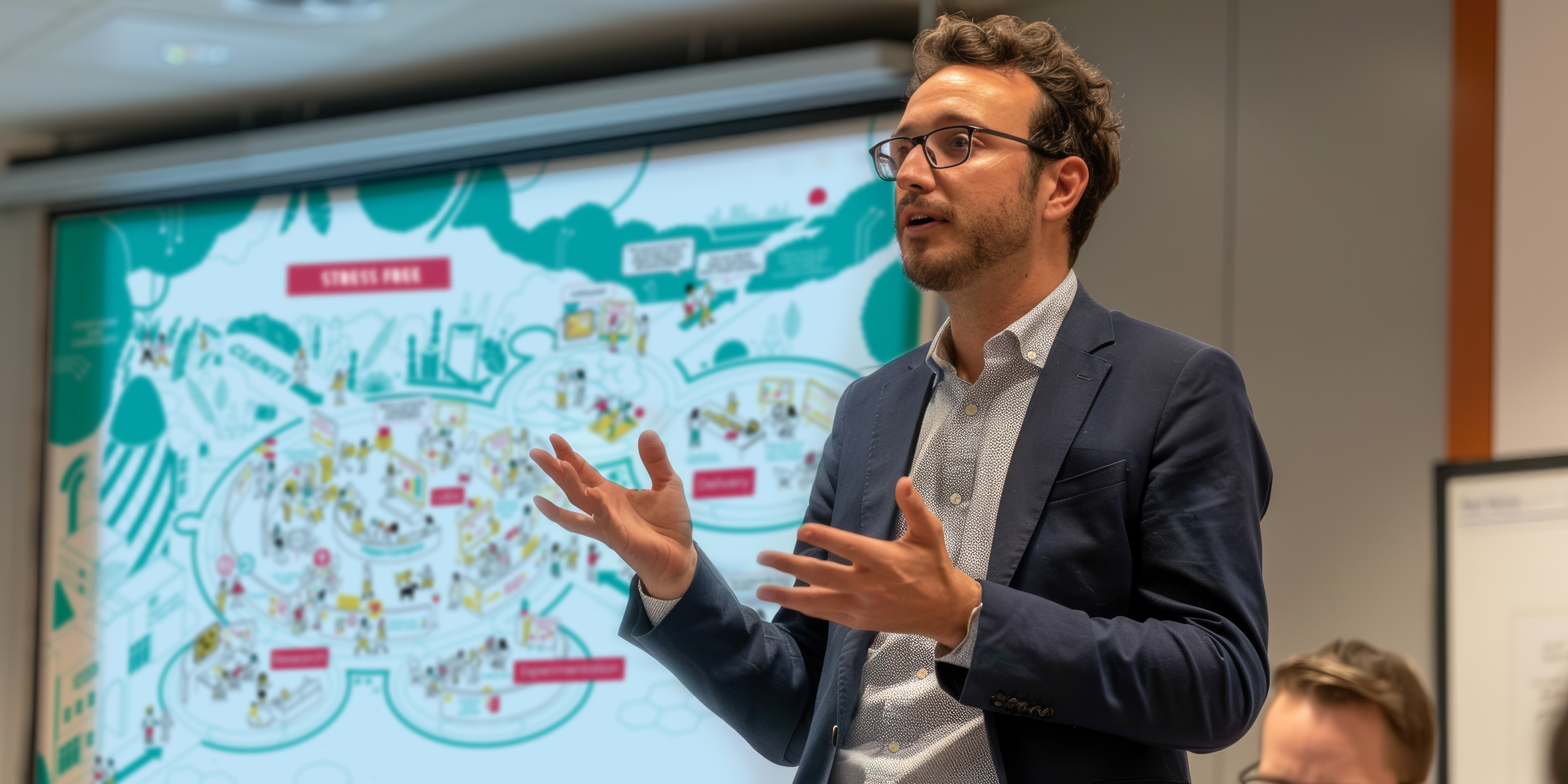
As the Scriberia Diploma opens its doors to a new cohort, our co-founder Dan Porter shares the thinking behind the course — and what creating and teaching it has taught him.
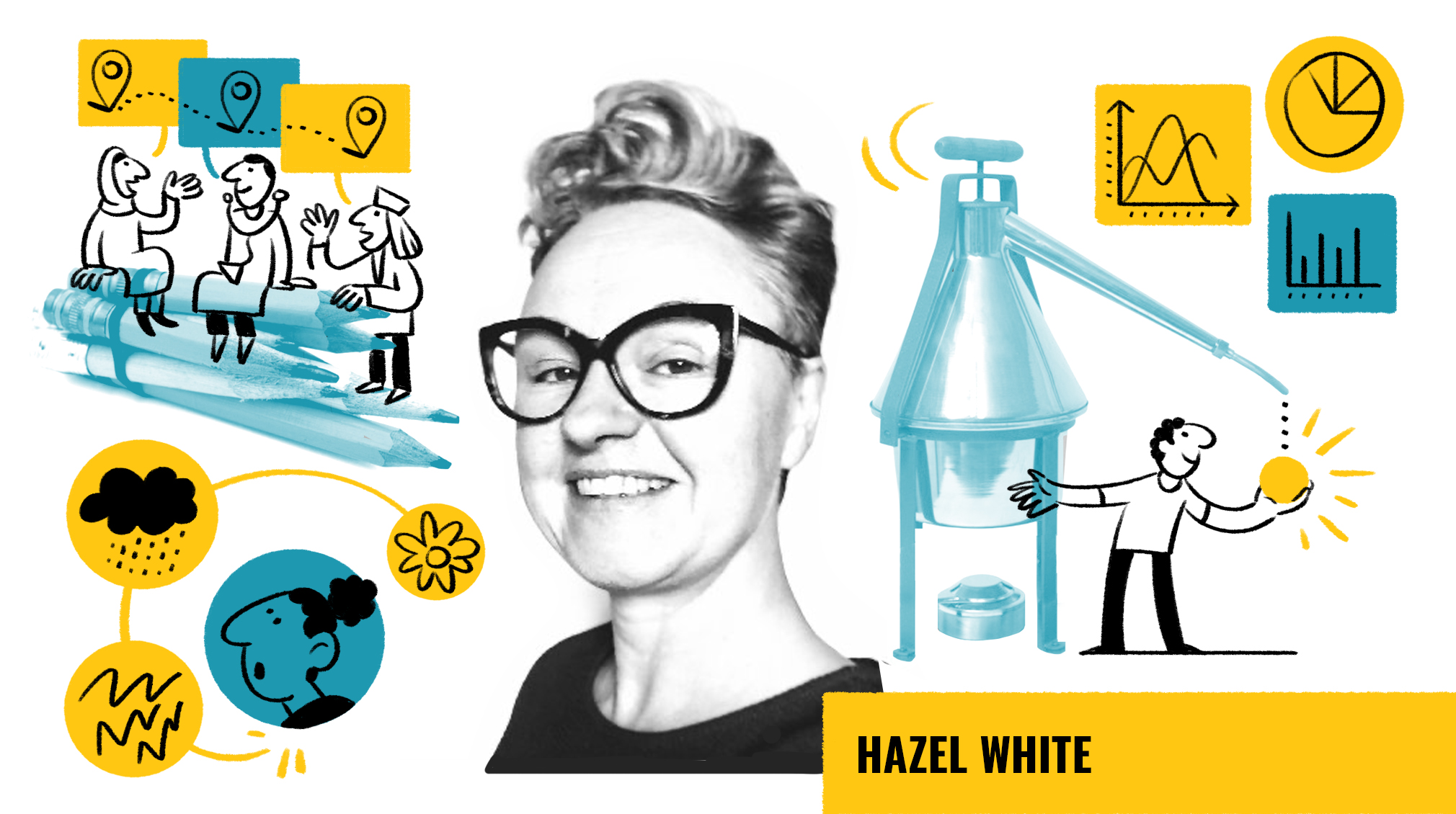
When the Covid pandemic created an urgent need to share specialist knowledge about end-of-life care, Hazel White discovered the power of visual communication. The experience not only helped clinicians learn quickly in a time of crisis — it changed the way she thinks about communication forever.
Richard Craig-McFeely joined Scriberia's Visual Thinking Diploma hoping to become better at explaining complex ideas. What he discovered was something much bigger: a new way of thinking.
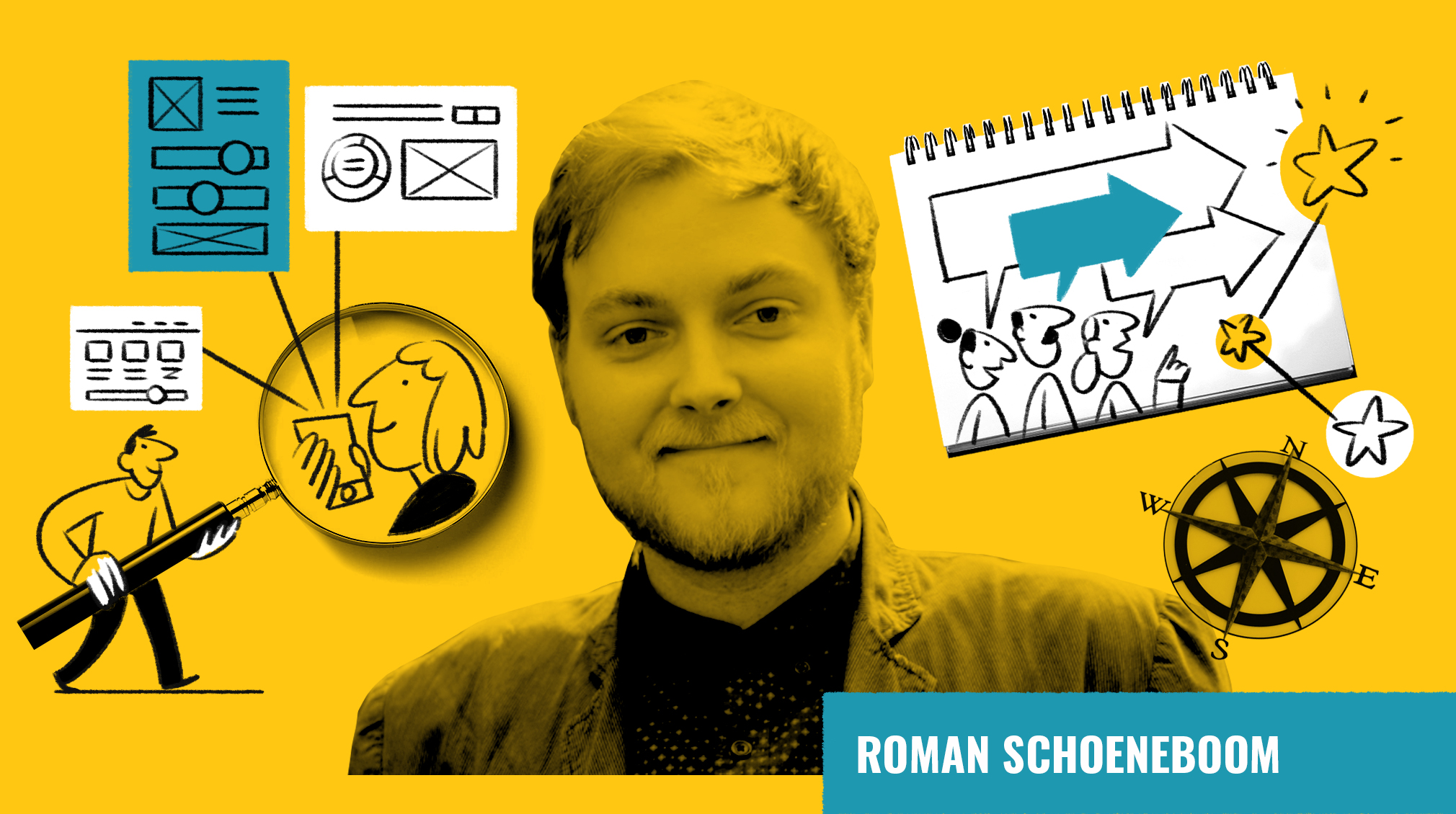
Already an experienced facilitator and design thinker, Roman Schoeneboom joined Scriberia's Visual Thinking Diploma to improve his drawing skills. What he discovered was a far more powerful tool for creating alignment, simplifying complexity and helping people see problems differently.
We spend years learning to read and write, but very little time learning to think visually. For Sande Smith, Communications Director at the California Wellness Foundation, developing visual thinking skills unlocked a powerful new way to process complexity, communicate ideas and drive change.
Information overload leads to analysis paralysis. And when that happens, how can leaders effectively inspire action?
As Gen Z enters the workforce, they’re reshaping how we share ideas, solve problems and connect. Embracing visual communication isn’t just about keeping up — it’s about building clearer, more connected teams for the future.
Pitches, tenders, bids, presentations — for more than a decade we’ve helped clients make ideas clearer, messages sharper and stories impossible to forget during high-pressure moments. Here, we share how strong visual storytelling can give teams the edge.
Storytelling is a buzzword — but why is it such a powerful way to communicate? And is visual storytelling really more potent than words alone? Scriberia’s Director of Storytelling, Rachel Porter, explores the neuroscience behind why visual stories work so well.
Most transformation programmes fail not because the strategy is wrong, but because the communication is. Scriberia's Chris Wilson believes that humanising change — and making it visual — is what separates the 12% that succeed from the rest. Only 12 per cent of transformation projects fully achieve their stated goals. That number should stop us in our tracks. After all the planning, the consultants, the town halls, the decks — only one in eight transformations actually lands. In our work with organisations going through change, we see the same pattern again and again: the strategy is sound, but the communication of it is broken. People don't understand it. They don't see themselves in it. And so they don't believe in it.